About
Built for the jobs that should not need a proposal
Ground Check exists because a house, a granny flat or a retaining wall should not have to go through the same process as a transmission line to get a properly engineered soil report.
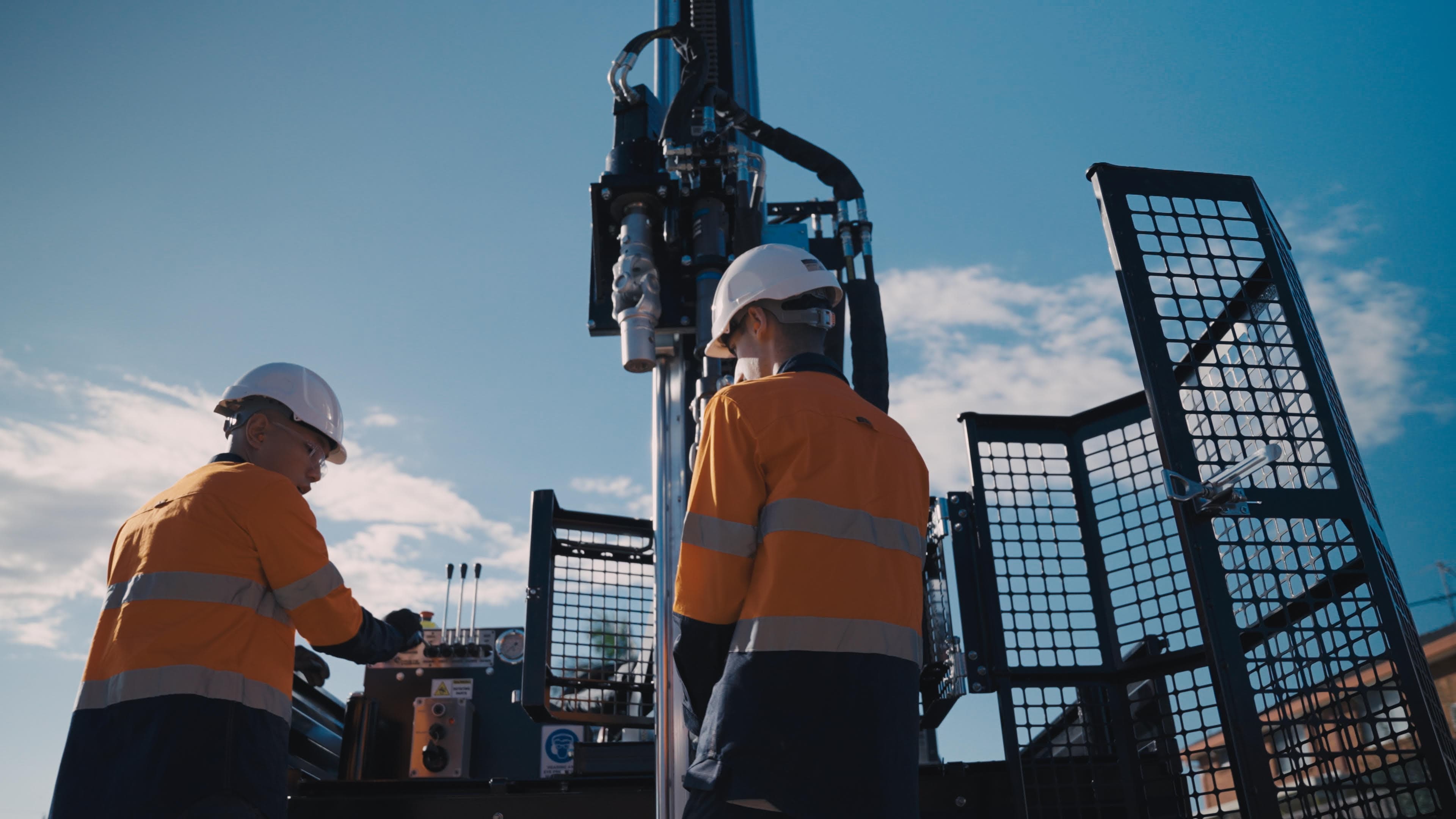
Most geotechnical work is scoped and proposed job by job, which makes sense for a basement or a subdivision and very little sense for a house. A home owner who has been told to “get a soil test” wants three things: a price, a date, and a report their builder and certifier will accept. Waiting a week for a proposal is not one of them.
So Ground Check is set up around those three things. The fee for a standard site classification is fixed by postcode zone and you can see it and accept it online in a minute. A field engineer drills and logs your block, decides what the laboratory needs to test, and drafts the report. In Sydney it is signed and in your inbox within five business days, or you do not pay for it.
None of that reduces the engineering. Classifications are prepared under AS 2870 and the logs and investigation under AS 1726, the standards your slab designer and certifier work to, and every report is checked and signed by a geotechnical engineer before it goes out. A small job gets a simpler process, not a thinner report.
At a glance
- What we are
- A geotechnical practice for small jobs: fixed fees, online quotes, engineer-signed reports
- What we do here
- Site classifications, soil tests, geotechnical reports for DA and CC conditions, retaining wall, pool and granny flat reports, small-site investigations
- Standards
- AS 2870 (residential slabs and footings), AS 1726 (geotechnical site investigations)
- Where
- Sydney, the Illawarra, the Southern Highlands, the Central Coast, the Hunter, the Blue Mountains, the Central West and the Riverina
- Reports
- Every report is checked and signed by a geotechnical engineer.
How we work
Three things every report gets, whatever its size
Say it plainly
Reports exist to transfer understanding, not to hedge. Ours say what we found, what it means and what to do about it.
Evidence behind every call
A classification or a recommendation is tied to the borehole logs and the test results that support it, and they are in the report.
Senior review on everything
Every report is checked and signed by a geotechnical engineer before it is issued, however small the job.
Contact
Talk to us
A question about which report you need is a good reason to get in touch. So is a site that does not look standard.
- 0433 627 837
- info@groundcheck.com.au
- Sydney and regional NSW
Need a soil report? Start here.
Site classification (small structures, simple ground): check your postcode and accept the fixed fee online. Geotechnical report (steep sites, basements, walls, complex ground, council conditions): send the address and we quote it, usually the same day.